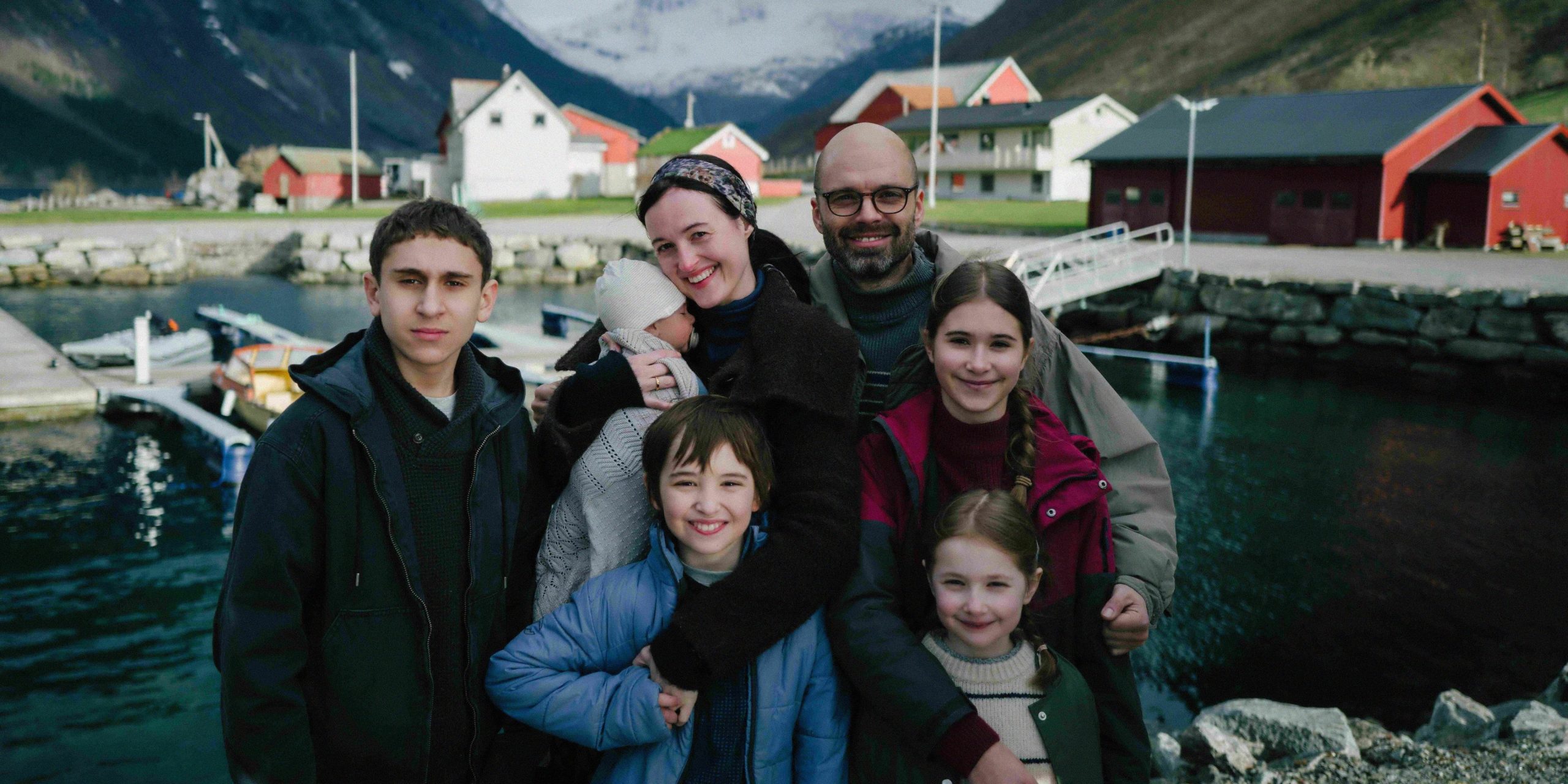
Cristian Mungiu’s Palme d’Or winning Fjord is an expertly crafted balancing act. It’s interested in the conservative Gheorghiu family, as parents Mihai (Sebastian Stan) and Lisbet (Renate Reinsve) deal with a Norwegian trial seemingly determined to remove their children from their home. It’s a film that seems fairly simple from the logline, yet couldn’t be anything further from it. Within its simple set-up lies an intricately devised web of ideas being explored. And Mungiu goes about doing so as plainly as possible, emphasizing stark direction and blunt revelations over choices that would have a more cinematic and dramatically heightened flair. The strikingly realized scenarios are instead merely allowed to speak for themselves. And despite such a plain-faced approach to the film’s script, Fjord excels as one of the year’s most taut, purely engaging films. It feels like the sort of dramatic dilemma which the most compelling storytelling throughout history has existed upon. It’s a scenario that is relatable, inquisitive, and deeply telling of all the contradictions that can exist within the human condition.
There’s no denying the fact that the thorniness of Fjord practically guarantees its divisiveness among audiences. It’s as if the film leaves no stone unturned in its approach to dissecting countless moral, ethical, and political dilemmas found across contemporary society. Importantly, nothing about Fjord feels designed with the strict purpose of provocation. Mungiu efficiently introduces all these contrasting views and beliefs through sharp character work. And from there, he simply allows his audience to wrestle through our own thoughts and beliefs internally while the legal tensions of this family drama escalate. Only a small portion of the third act is actually relegated to a courtroom, yet Fjord entirely hinges upon the ramifications of the legal system, and how its reach extends far beyond the confines of any one room. To call this anything other than a legal thriller in that regard feels restrictive towards the ethical quandaries being introduced. Through approaching so many hot-button issues within a single scenario, Mungiu frees himself up entirely to explore anything and everything interesting to him. The result is a film that feels rich for both its thematic explorations and ideological dissections.
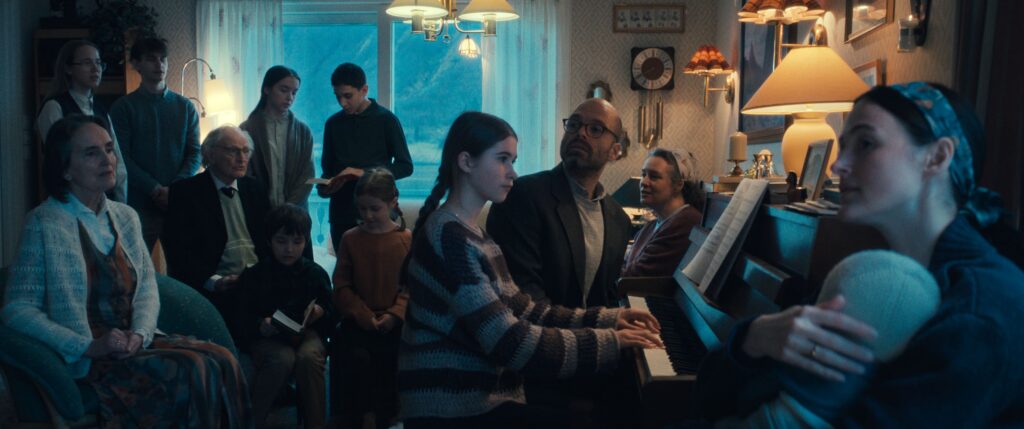
So much of Fjord is about judgement; from the judging glare of children in a classroom to a father explaining the faith-based judgement of God, or even the passing judgements of a neighbor or complete stranger. In every instance, Mungiu simply lets the scenario speak for itself and places the impetus of exploration in the minds of his audience. The film seems far less interested in casting its own judgements; and in fairness, it feels like a stronger film because of that choice. It’s far more compelling of an experience for an audience to find themselves potentially aligning with somebody they typically might be (or actively are) ideologically opposed to. Fjord being a film about judgement, Mungiu explores potential pre-judgements we may have brought into the theater with us. His goal seems clear for us: to leave these biases checked at the door as soon as possible, and instead focus on the potential of whether or not it’s possible to see things from a wider, more all-encompassing perspective. There’s a recurring motif throughout the film of avalanches casually occurring frighteningly close to the Gheorghiu children’s school. Despite all the drills and cautionary warnings in place, is it possible (or justified even) to remain nonchalant in the face of everything crumbling before our very eyes?
The insane circumstances which make up the core drama of Fjord feel determined to drive both character and audience up the wall. This allows for two excellent performances out of the film’s leading stars. Stan plays the Romanian Mihai as deeply frustrated, blank-faced, and seeming constantly out of place. He clearly has a temper, but in this particular instance, how could anybody not? His intense desire to withhold the most raw emotions is so clearly conveyed through Stan’s glaring eyes and silence guarded by a clenched jaw. It’s made all the more effective in the response authorities initially have to his character. Rational emotional responses are met with hostility and the threat of immediate court action. If it’s meant to induce justified anger out of Mihai, Reinsve’s Norwegian Lisbet outwardly reveals a simmering sadness. She should feel at home in the village she was originally born in, but her isolation is shockingly clear the more time Mungiu spends with her. Reinsve is so often shot from behind in this film, making her character’s truest emotions feel closed off from the world, and it works to great effect. The ways in which these parents’ anger and sadness shift amongst one another is effortlessly handled by two of our very finest current performers.
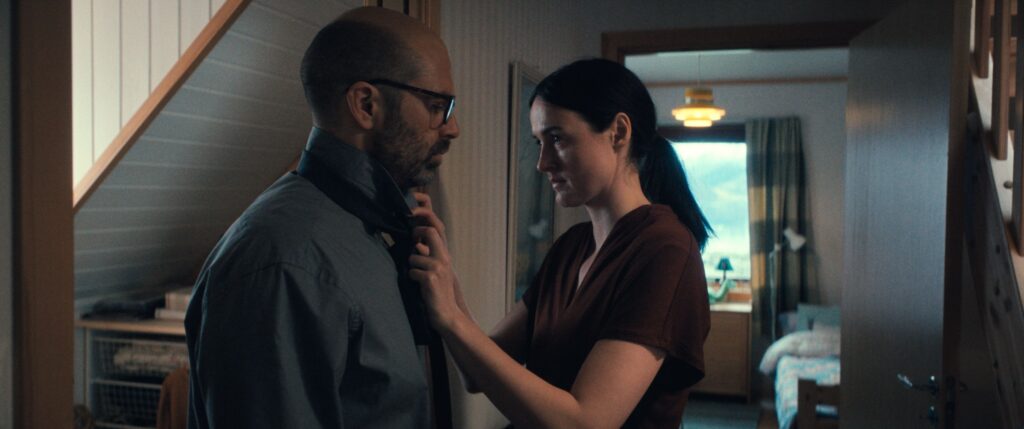
Even still, as cut-and-dry as these characters may seem, the actors portraying them imbue such richness and depth into Mungiu’s script. Mungiu seeks to dissect their beliefs and ideals from every conceivable angle. He does so through exploring all the ways in which the rest of society views this family turmoil. In other words, we’re seeing more judgements being doled out before ever actually stepping foot into a courtroom. There’s a miraculous balancing act at work in the ways Mungiu takes the argument of traditionalism versus progressivism and explores the ways both systems are potentially restrictive, cruel, unjust, or some combination of all the above. By its stunning finale, Mungiu tightens his grip further and further until his audience can barely breathe. What’s left for viewers walking out of the theater is a palpable reminder of the frustrations of reality. That’s all to say that it would appear people are ultimately set in their ways. To be unshakable and steadfast in one’s own system of beliefs can be seen as something of an admirable quality. In the case of Fjord and its characters, the film soars because it’s far more interested in reckoning with the outwardly reactionary views of others just as much as it is the introspectiveness of its central figures. It could even be argued it’s more interested in the former, if only to allow its lead characters to be all the more enigmatic and unreadable despite wearing their hearts, and their beliefs, on their sleeve for all to see and reckon with in their own unique fashion.
Fjord is celebrating its New York Premiere in the Spotlight section at the 64th New York Film Festival.